209 - Project Cleanup
GENERAL DESCRIPTION
Definitions of Terms
-Reserved-
General Overview
This work is comprised of cleaning up the project on an ongoing basis and prior to final acceptance. Cleanup applies to the area within the right-of-way (ROW) not more than 50 feet beyond the grading limits. Within the project area, all debris, including but not limited to, fences and posts, timber, guardrail, and other construction rubbish should be removed and disposed of. This work also includes cleaning out all culverts, sewers, and drainage structures. Cleaning out sediment or debris caused by the Contractor's operations will be at no cost to the contract. In accordance with Subsection 205.03.P of the Standard Specifications for Construction, MDOT assumes no legal obligation to ensure the Contractor responsibly disposes of surplus and unsuitable material. Refer to Subsection 104.07 of the Standard Specifications for Construction for other cleanup items required to take place prior to final acceptance of the project.
MATERIALS
-Reserved-
EQUIPMENT
Common equipment used for project cleanup includes:
- Bulldozer
- Excavator
- Loader
- Dump truck
- Onsite dumpster
- Broom sweeper
- Tractor with broom attachment
- Vacuum trucks to clean out sediment-filled catch basins and manholes
- Pipe cleaning equipment such as a jet truck
Photos of Equipment
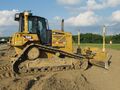
Bulldozer
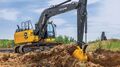
Excavator
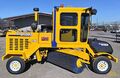
Broom Sweeper

Tractor with Broom Attachment

Vacuum/Jet Truck


PRECONSTRUCTION
The Inspector should engage in pre-work discussions for project cleanup. The Inspector should perform the following activities before the start of construction:
- Conduct a thorough inspection of the project site to assess the current condition and identify any areas requiring cleanup, including examining the roadway, surrounding terrain, construction debris, drainage systems (sewers, culverts, and structures), and any temporary structures or equipment present.
- Obtain photographic documentation of the site prior to the start of construction.
- Some projects have special provisions requiring the Contractor to document the preconstruction condition of the site through video recordings. These recordings are to be supplied to the Engineer.
- Review the project plans and specifications to understand the scope of work, construction activities, and cleanup requirements outlined in the contract documents. This ensures cleanup activities will be conducted in accordance with project requirements and regulatory standards.
- Document any wetland or protected areas, including trees and vegetation within or near the ROW.
- Evaluate potential environmental impacts associated with construction activities, such as soil erosion, sediment runoff, and contamination. This assessment helps determine the appropriate cleanup measures and environmental safeguards needed to protect natural resources and comply with regulatory requirements.
- Identifies any potential hazards or safety concerns present on the project site, such as unstable slopes, hazardous materials, or utility conflicts. Hazardous materials may include asbestos-containing materials, lead-based paint, or other contaminants requiring special handling and disposal procedures.
- Convene a pre-cleanup meeting with the Contractor and other project stakeholders to discuss cleanup requirements, expectations, and responsibilities. This meeting provides an opportunity to clarify any questions or concerns and ensure alignment between the Inspector, Contractor, and project team. At the meeting, discuss Section 205.03.P of the Standard Specifications for Construction and restrictions of disposing materials in wetlands.
CONSTRUCTION
The Contractor, Engineer, and Inspector should maintain communication regarding the condition of the project site. The site should be maintained throughout the construction process and not just cleaned up at the completion of the project before final inspection.
INSPECTION & TESTING
The Inspector should utilize, at a minimum, the following tools to perform the required inspection:
- 100-foot tape measure or longer
- 25-foot tape measure
- Measuring wheel
- Chaining pin
- 6-foot stick ruler
- 4-foot level
- Working plans
- Survey equipment
- Camera
The Inspector should take the following steps during construction:
- Monitor progress and quality of cleanup activities to ensure they are completed in accordance with project specifications and schedules.
- Conduct inspections throughout the cleanup process to identify any deviations from the approved plans or unexpected issues that may arise.
- Document and report any findings, deficiencies, or non-compliance observed during inspections and work with the Contractor to address them promptly.
- Take photographs and notes during the process.
- Communicate with the Engineer on the status of the work.
- Conduct an inspection of the site upon receiving notification from the Contractor that cleanup is complete.
MEASUREMENT AND PAYMENT
Project cleanup is typically paid as a lump sum pay item at the completion of the cleanup. If the project does not include a pay item for cleanup, it is included in the unit prices of other pay items.
LOCAL AGENCY PROJECTS
-Reserved-
RAIL PROJECTS
-Reserved-